
Behind the Scenes of HIBAF: How We Craft a Cultural Festival from the Ground Up
By Salma Ja'eh
December 15, 2025
How We Build a Festival for 3,000 People And Why It Matters
What does it take to build a world, one rooted in language, art, and buzzing with conversation? At Open Arts, we attempt it every year with the Hausa International Book and Arts Festival (HIBAF), a three-day celebration of literature, performance, and culture, centering one of Africa's most widely spoken indigenous languages.
HIBAF is a gathering of thinkers, artists, elders, youth, and creators. It has become a living archive of Hausa heritage in conversation with the contemporary. From poetic performances under soft lights to heated panel discussions on identity, diaspora, and pop culture, the festival holds space for stories that often go untold.
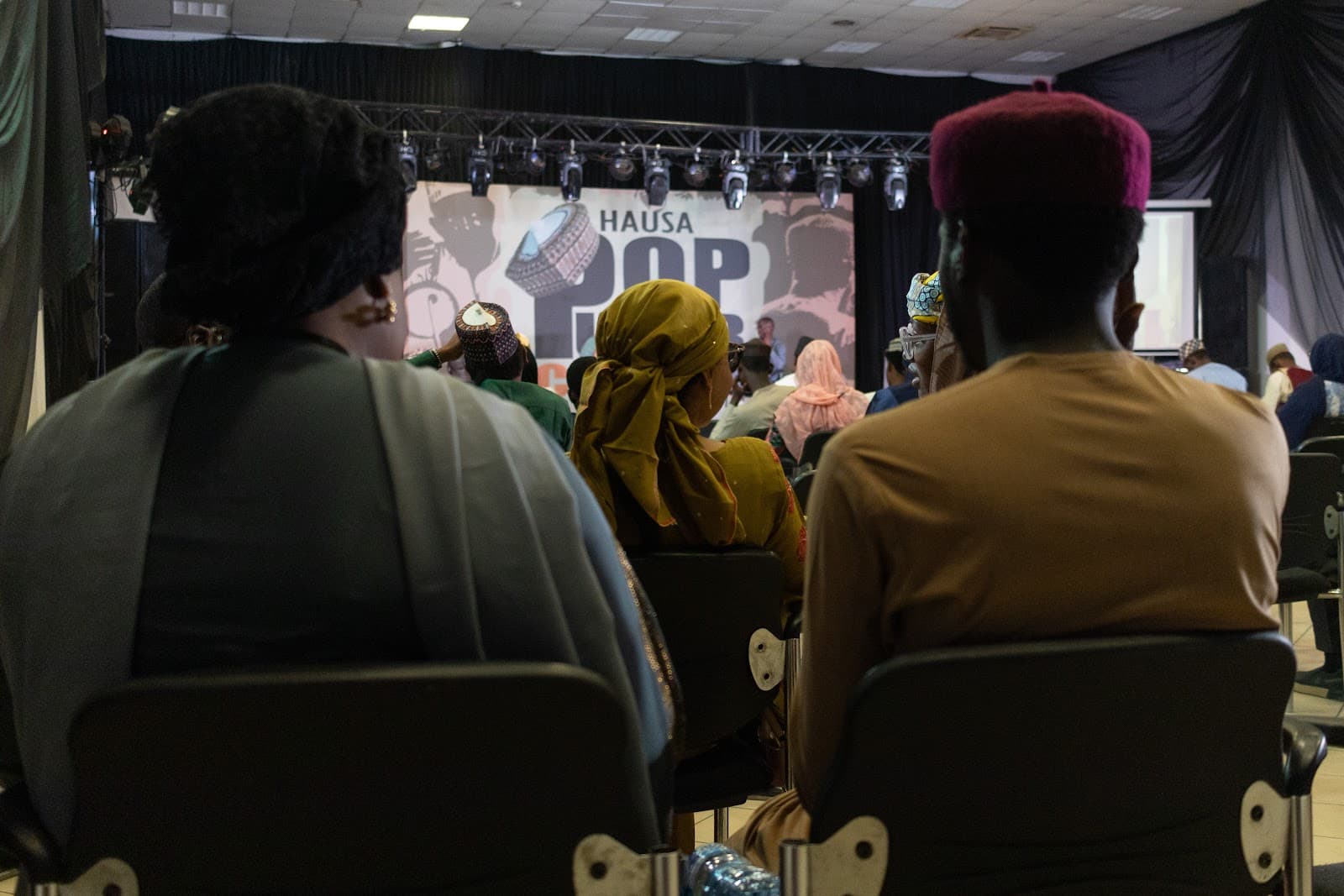
For the 4th edition in 2024, we welcomed over 3,000 attendees, both in-person and online, into that space. But long before the stage lights came on, months of planning, coordination, and dreaming were already underway.
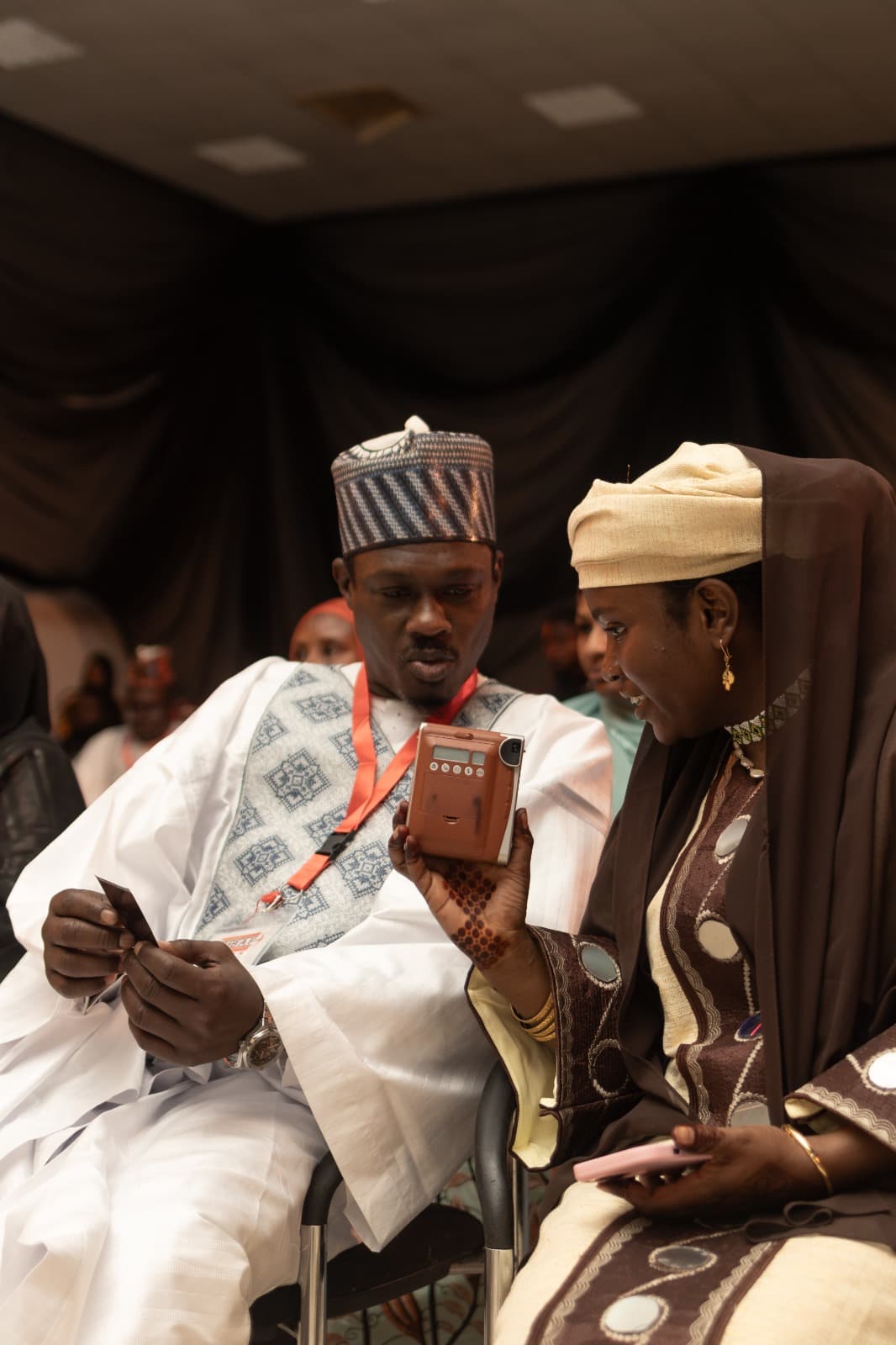
In this behind-the-scenes blog, we're taking you through the journey, the wins, the near-disasters, the spreadsheets, and the magic of bringing #HIBAF to life. Whether you're curious about how to pull off a large-scale cultural event in Nigeria or just want a peek at the chaos behind the curtain, you're in the right place.
Let's take you back to where it all began.
Why Hausa? Why Now?
While Nigeria's literary landscape is rich and varied, most major festivals still revolve around English, the colonial language. From Lagos to Abuja, we've seen brilliant platforms for poetry, prose, and performance, but none have truly centered the vast ecosystem of indigenous language literature.
That's why HIBAF exists, to carve out space for Hausa, a language spoken by over 60 million people across West Africa, with Arabic literary traditions and contemporary literary traditions dating back to the 13th century and the 1930s respectively. When we imagined this festival, we wanted more than just another book event. We wanted a space where Hausa storytellers could share a stage with international voices, where film, textile art, spoken word, and scholarship could collide.
Each edition of HIBAF explores a different theme, not just as a concept, but as a lens through which we examine identity, culture, migration, and imagination. We've looked at:
- 'Spaces' (2021): exploring the origin of people, language and the multiplicity of spaces of our humanity
- 'Being and Becoming' (2022): linking and connecting arts, language and identity through analysis of the processes that give birth to experience
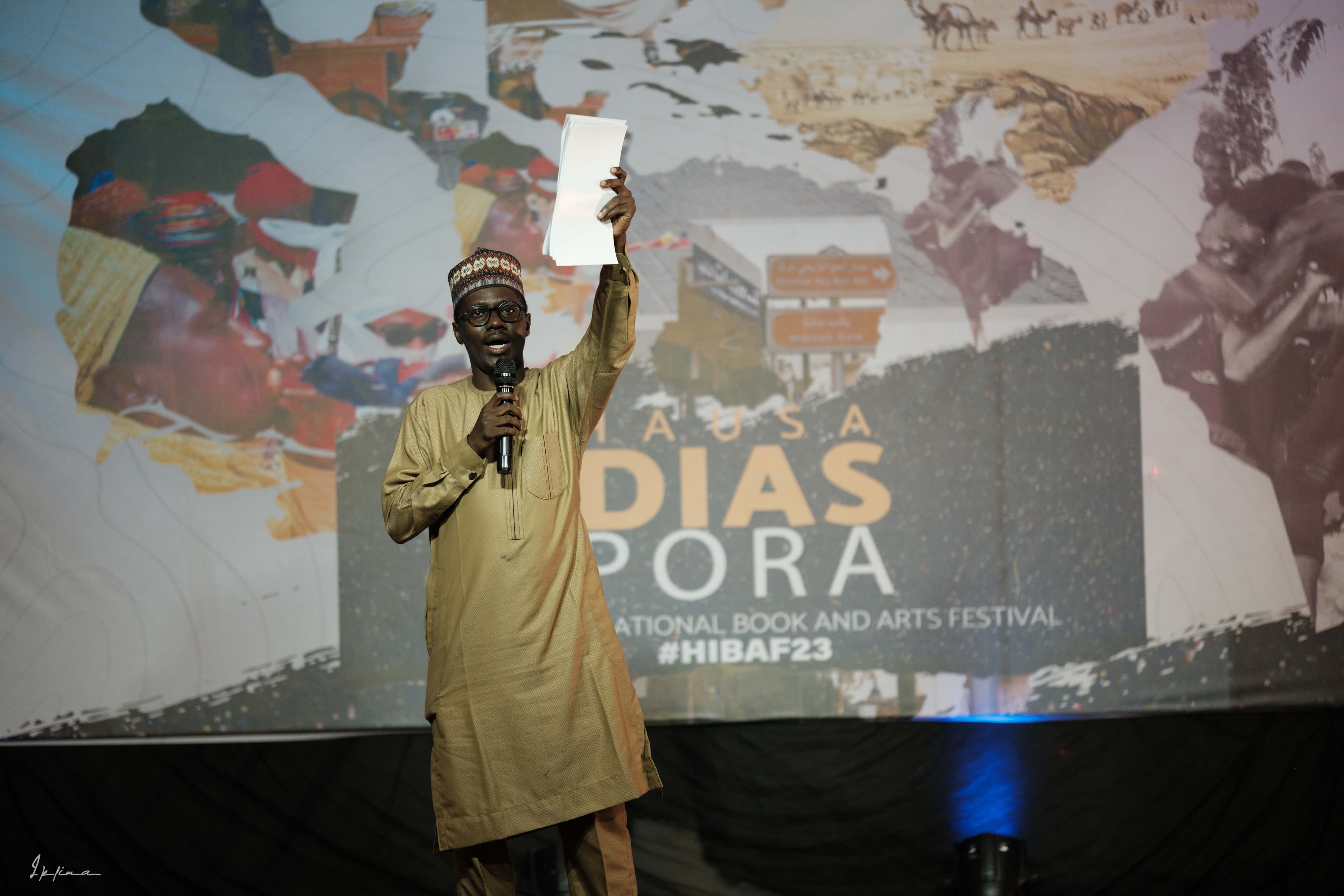
- 'Diaspora' (2023): looking at Hausa-speaking communities from around the world, and how Hausa people have traveled and settled around the world
- 'Popular Culture' (2024): What does pop culture look like through a Hausa lens? From classic Kannywood films to everyday street fashion, from street food to memes, we explored the ways Hausa culture saturates daily life and how it's being reshaped in real time.
Building the Festival's Backbone
In many ways, organizing a festival is an act of choreography, mapping out every step so people don't just hear words. At Open Arts, our planning journey for HIBAF begins the moment the previous festival closes its curtain.
Vision & Theme Development
We gather as a small team and ask ourselves: What story does this year's theme "Popular Culture" want to tell? That narrative becomes our guide for programming, visuals, and outreach.
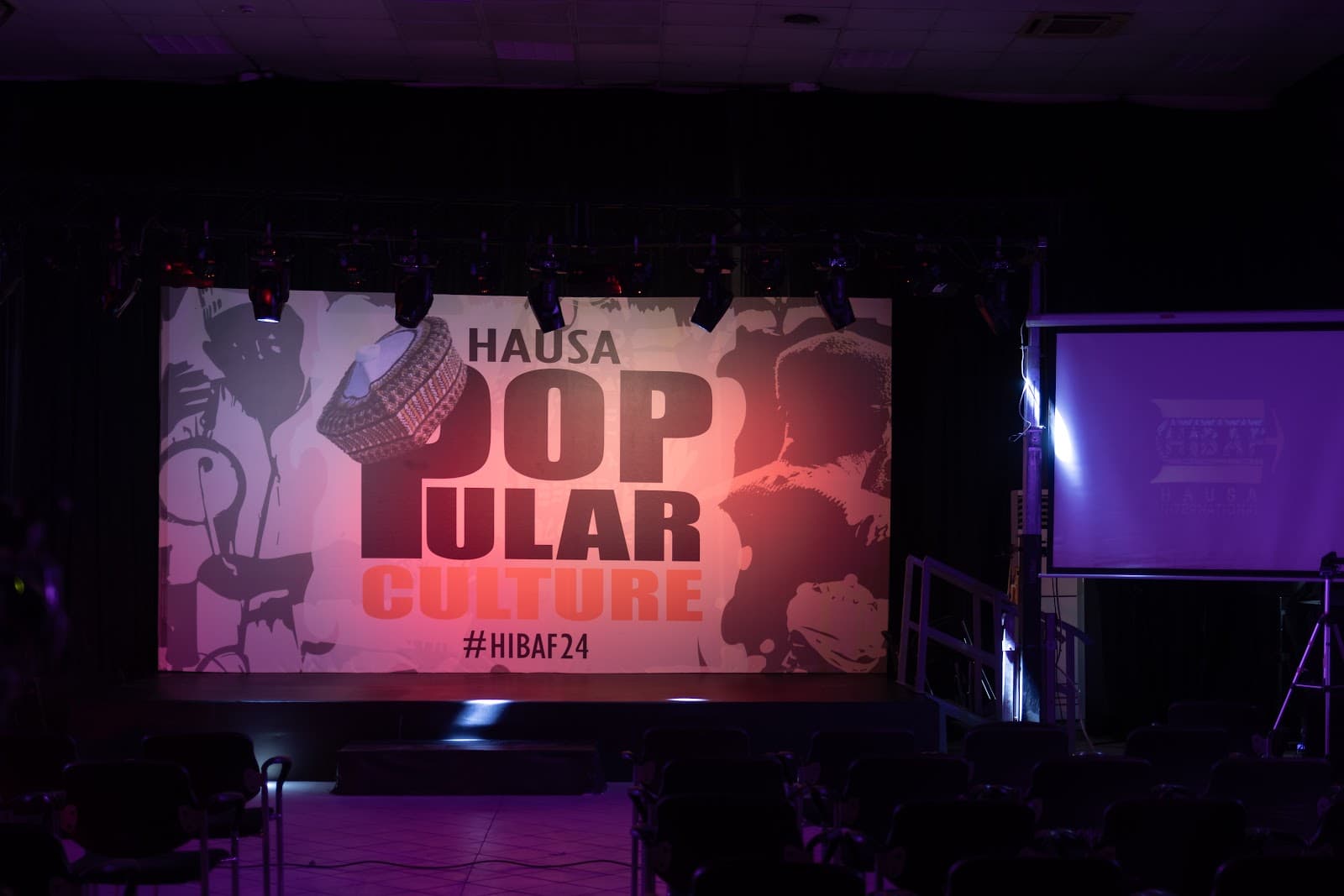
Creating an Action List
It takes a village to plan an event of this scale. Open Arts' modest team of five starts planning right from January till December to manage the many moving parts of the festival. Guests, logistics, like flights, accommodation, and transportation to create an engaging programme that reflects the essence of the theme—every detail mattered.
Open Arts members work across three main areas:
- Programme of the festival (Including guests, invitation, festival programme)
- Exhibition (Artists, exhibition type and set up)
- Media and Communications (Trailer videos, Cold emailing journalists, Promotional content, Posting online, Offline Media)
Here's how the action list formed and was divided into three critical points: pre festival prep, festival prep and post festival prep, further categorized under Action steps, Timeline and Status (Completed, Ongoing, Not started)
Mainly touching on these:
- Venue Scouting: Scouting venue that has a minimum of 300 capacity, bonus point if it has lights, projectors and sound system
- Content strategy: Designing the overall festival agenda, developing content: trailer videos, and coordinating content for promotion of the festival.
- Accommodation: Securing comfortable lodging at competitive rates with the right ambience.
- Travel planning: Coordinating international and local travel.
- Logistics: Overseeing transportation, space setup, session transitions, and required materials at the offsite venue.
- IT: Setting up and maintaining IT infrastructure for smooth streaming, reliable internet, because all days of the festival are streamed online, with over 3000 people tuning in across the world.
- Design and merch: Managing branding, creating merchandise, and designing experiences that reflected the festival's theme.
- Media and documentation: Engaging photography and videographer vendors, printing banners, tags, press
- Volunteer Coordination: Assigning roles for day to day seamlessness
- Vendor Engagement: We have stalls for rent during the festival
- Food: Planning all meals and refreshments with inclusive and diverse menus to accommodate dietary preferences of guests
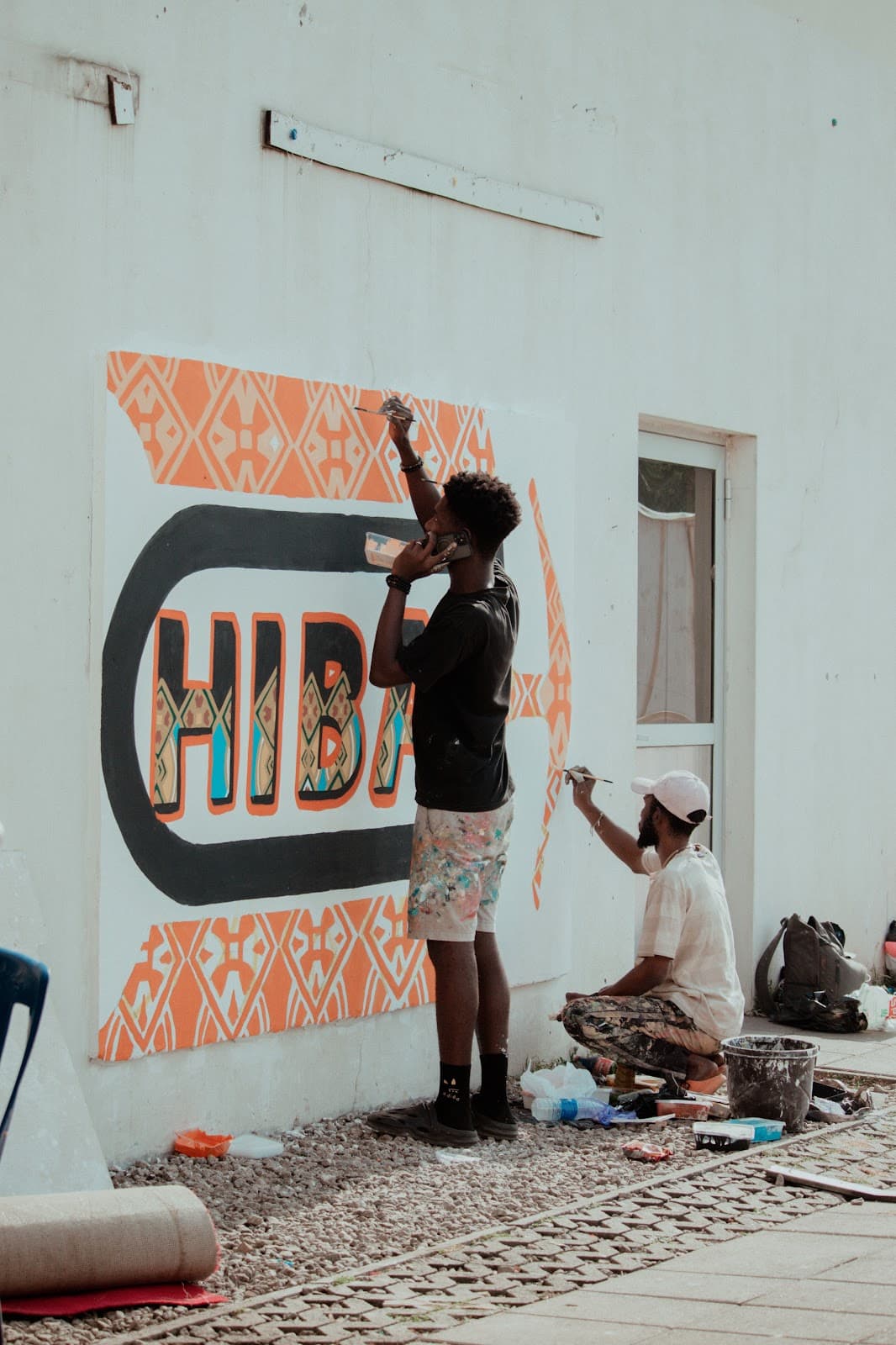
- Venue setup: Blacking out venue, painting murals, decors, chairs, podium, mic checks, registration desks, media room, green room
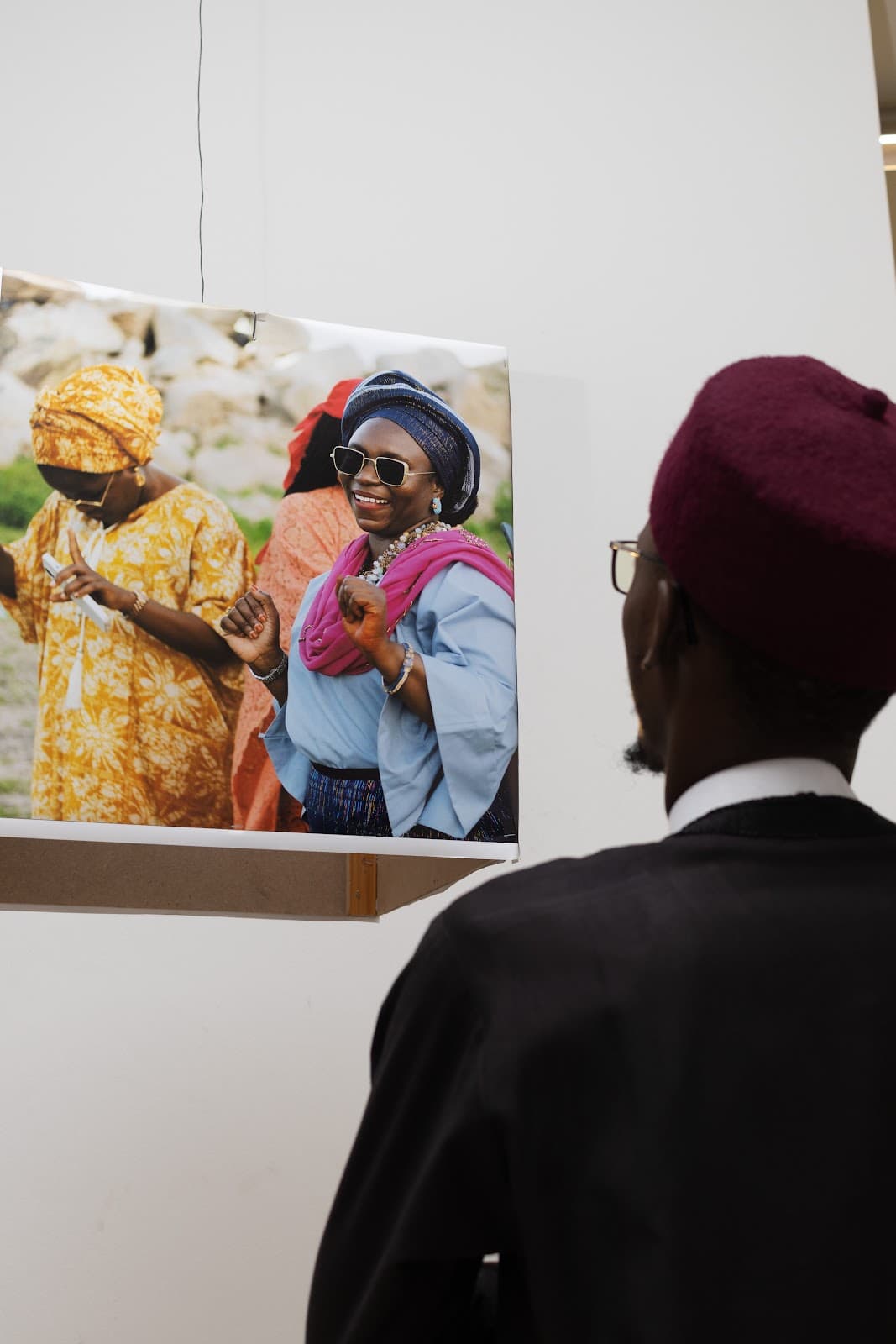
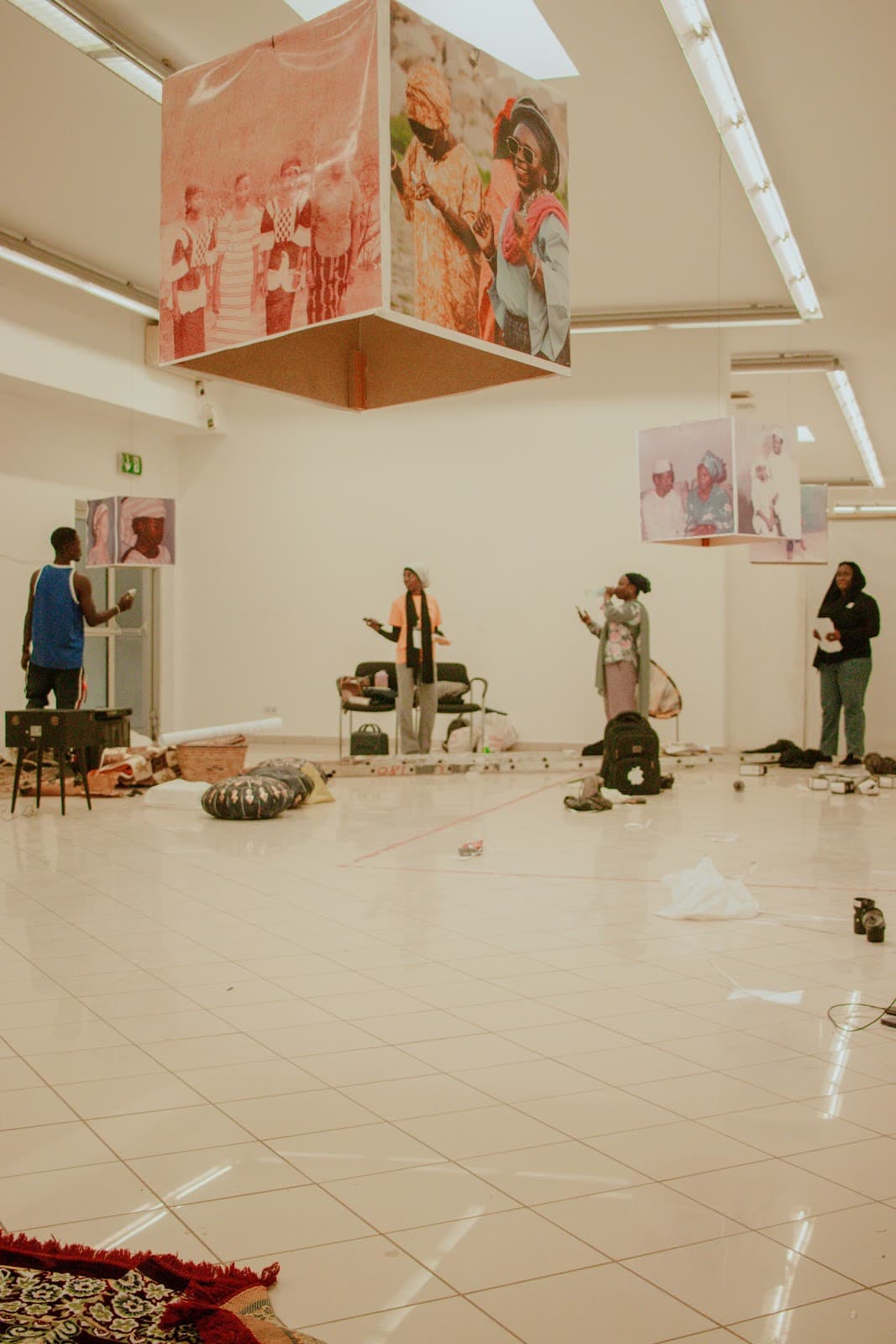
- Exhibition: Conceptualization, curation, contacting artists, exhibition set up, lighting, introduction wall.
- Registration Booth: minimum of 2 to minimize foot traffic
- Trailer Video: Conceptualization, Location scouting, models, Videographer
With everything laid out, a developed programme of events serving as the guideline, we began full execution in September, about three months before the festival, coordinating multiple people, from guests, vendors and collaborating with artists to bring the vision to life, supported by adhoc staff, volunteers and third-party vendors, each playing a critical role in ensuring the festival ran smoothly.
Shareable Takeaway:
Delegating tasks effectively is key to organizing a festival, helping to keep everything on track and ensuring a smooth, enjoyable experience for everyone.
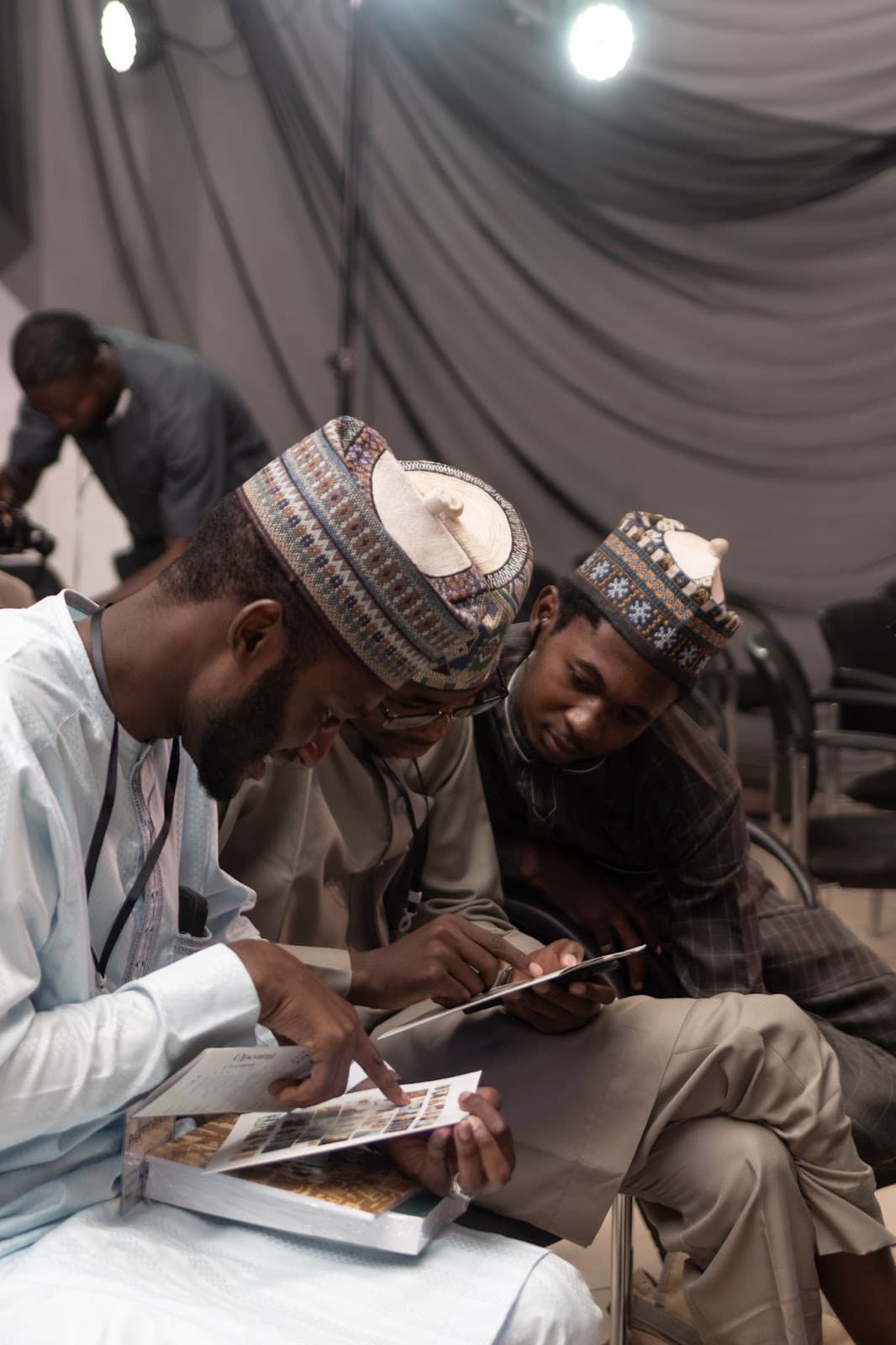
Pre-Festival Prep
First up on the pre festival prep is the venue. We started by scouting for venues and confirming availability of dates we want, and sometimes settling on the closest dates available. With a date confirmed, we reached out to guests to confirm their availability, once confirmed we sent out official invitations via emails. Each guest has 2 back ups, just in case they pull out last minute, once we have them confirmed, we add to our tally.
How We Made HIBAF Happen on a Budget
Pulling off an event of this scale required careful financial planning. Open Arts got grant support from Goethe Institut Support and Connect Fund, and from University of Bristol, under the literary activism in sub-saharan Africa project.
The budget was divided as follows:
- 25% for Guests: Honorarium
- 30% on Accommodation: Providing comfortable lodging for all guests and staff.
- 25% on Venue Set up: Covering rent for 2-days, Decor, Lighting, Sound, exhibition, mural, videography, and photography
- 20% on food, on ground transportation, and other logistics: Organizing meals and essential on-site logistics.
To ensure we stayed within budget and monitored spending across work streams, we set up a detailed expense tracker.
The tracker included:
- Category: The main expense category, such as accommodation, food, transport, or design and branding, to organize costs by type.
- Description: A brief summary of the specific expense.
- Owner: The team member responsible for managing and overseeing the task or expense, ensuring clear accountability.
- Total budget: The amount allocated for each expense, helping us set financial expectations upfront.
- Amount paid: The portion of the budget already paid to date, providing a snapshot of spending progress.
- Amount remaining: The remaining balance yet to be paid, ensuring we kept track of outstanding costs and avoided overspending.
- Vendor: The third-party vendor delivering the service or product, making it easier to track payments and identify providers.
By organizing expenses in this format, we could monitor spending across work streams like accommodation, transportation, food, and physical space setup. The tracker allowed us to spot areas where costs were exceeding estimates, make adjustments as needed, and maintain a clear view of the overall budget.
Festival Prep: Balancing work, play and supervising 'manage it like' that artisans
Setup & Last-Minute Crunch
We usually begin setting up the night before the festival, simply because we don't get access to the venue until our reserved time slot. Last year was no different. The space was in use the night before, and we had to wait for the event to finish and dismantle. At 10 PM, we finally got in and immediately began with the décor.
First task: blacking out the hall. That's when we hit our first roadblock, there weren't enough black yards of fabric to cover the hall twice over and achieve the premium look we had envisioned (and paid for). The artisan looked at us, smiled, and said, "I try for una," —basically, "just manage it like that."
Next up was the backdrop banner for the stage. We quickly discovered the stage had two pillars that weren't wide enough to fit the banner in between. So, yes, we had to "manage it like that" again, propping the backdrop on the two pillars.
Then came the lighting setup. Wiring takes time. We had brought in 50 lights to illuminate each of the artworks, only to be told that nails and hammers weren't allowed on the walls. Ironically, for a venue called Exhibition Pavilion. So we improvised, stringing the lighting from the rail tracks instead.
Outside, our mural artist began prepping the entrance wall for a large, colorful HIBAF mural, painting well into the night.
By 2 AM, we had to call it a day. There was still more to do, but we'd continue in the morning.
Even though the festival didn't start until 4 PM the next day, you could feel the crunch. So much had to come together before the first guest arrived: final sound setup, streaming checks, microphone testing, vendor stalls arranged, registration desks ready, merchandise accounted for, volunteer final roles assigned, and catering in place.
We poured everything we'd learned from the past three editions into this moment. With just 30 minutes to spare, the team retreated to a backroom, tired but determined to get ready to put on the show of a lifetime.
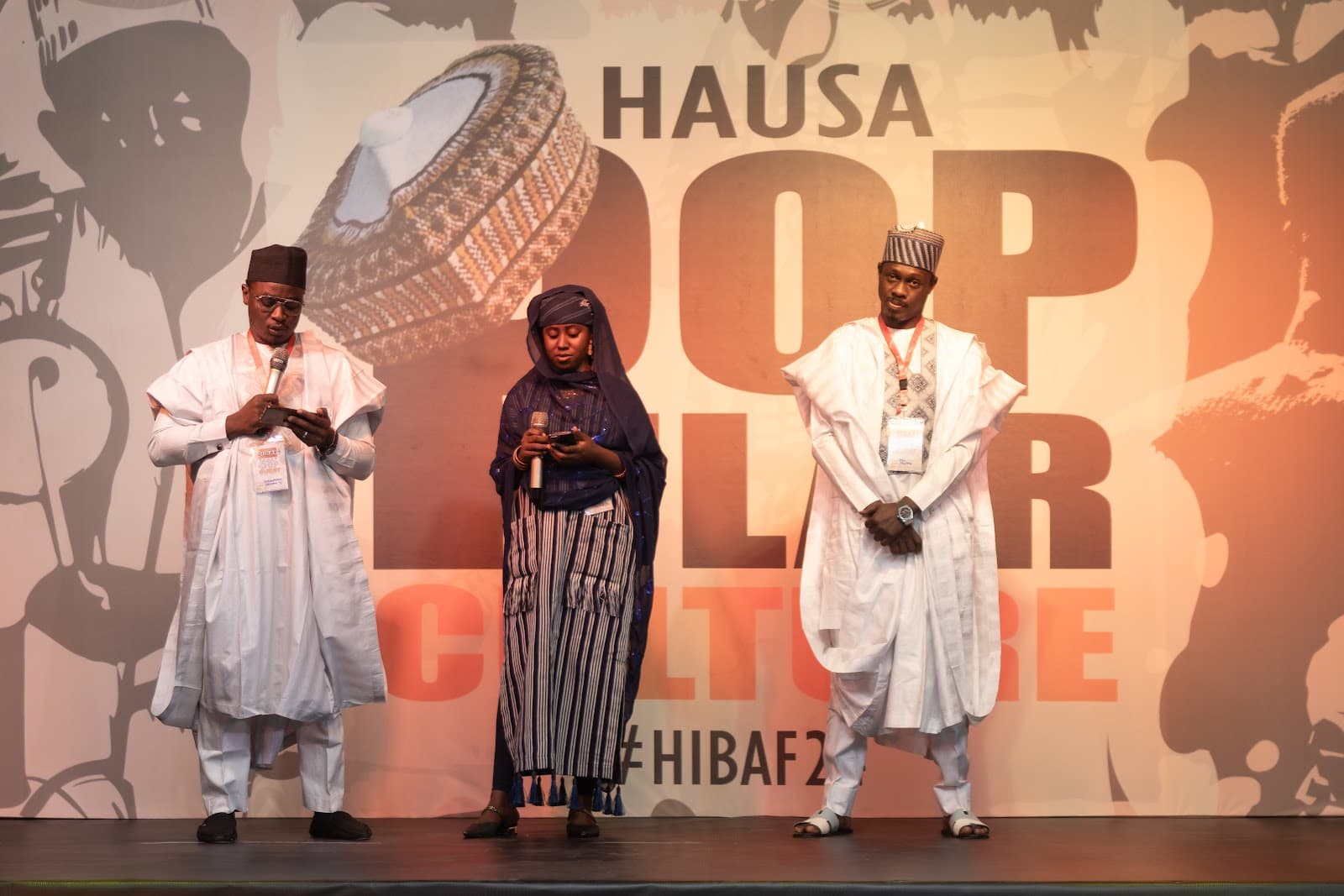
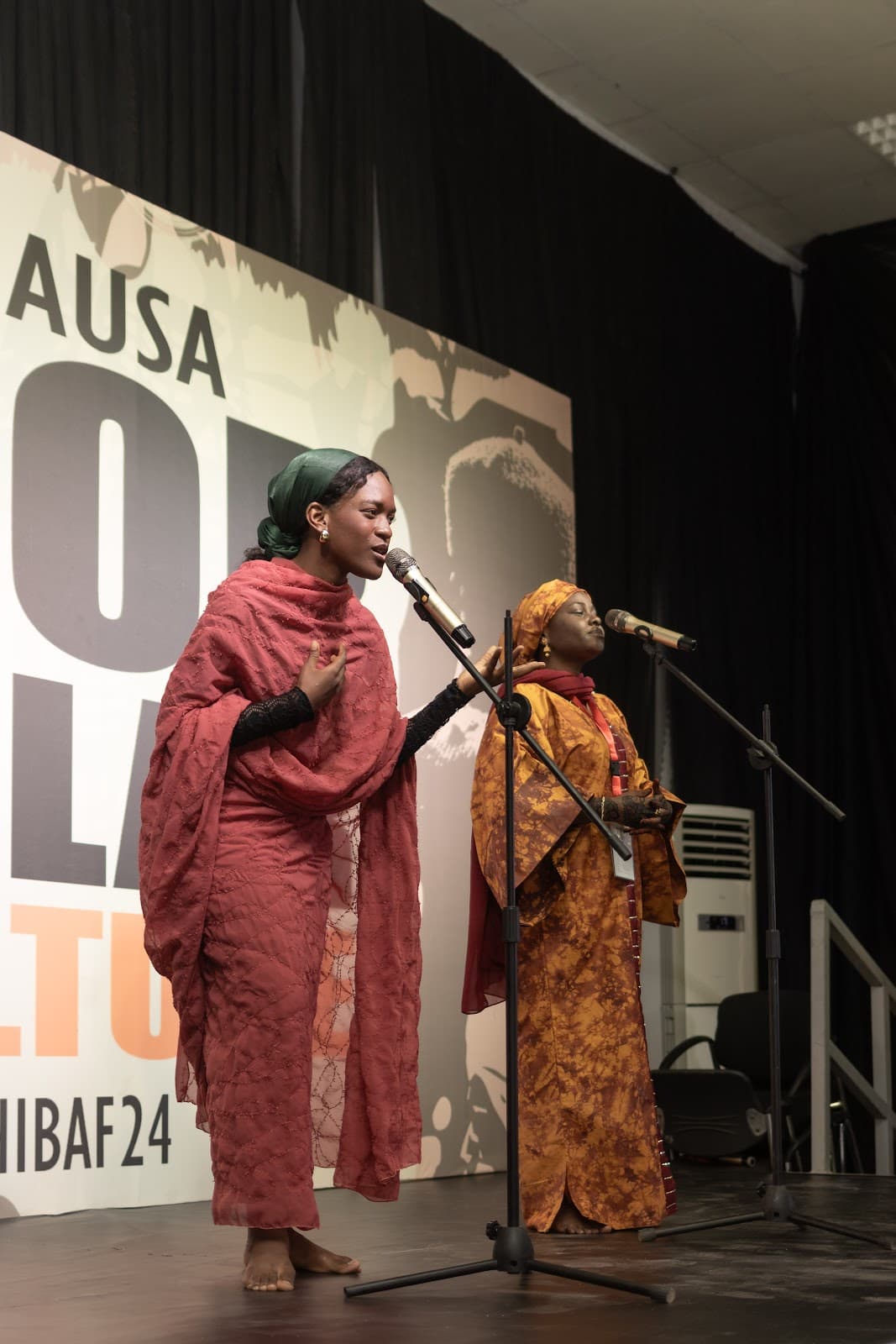
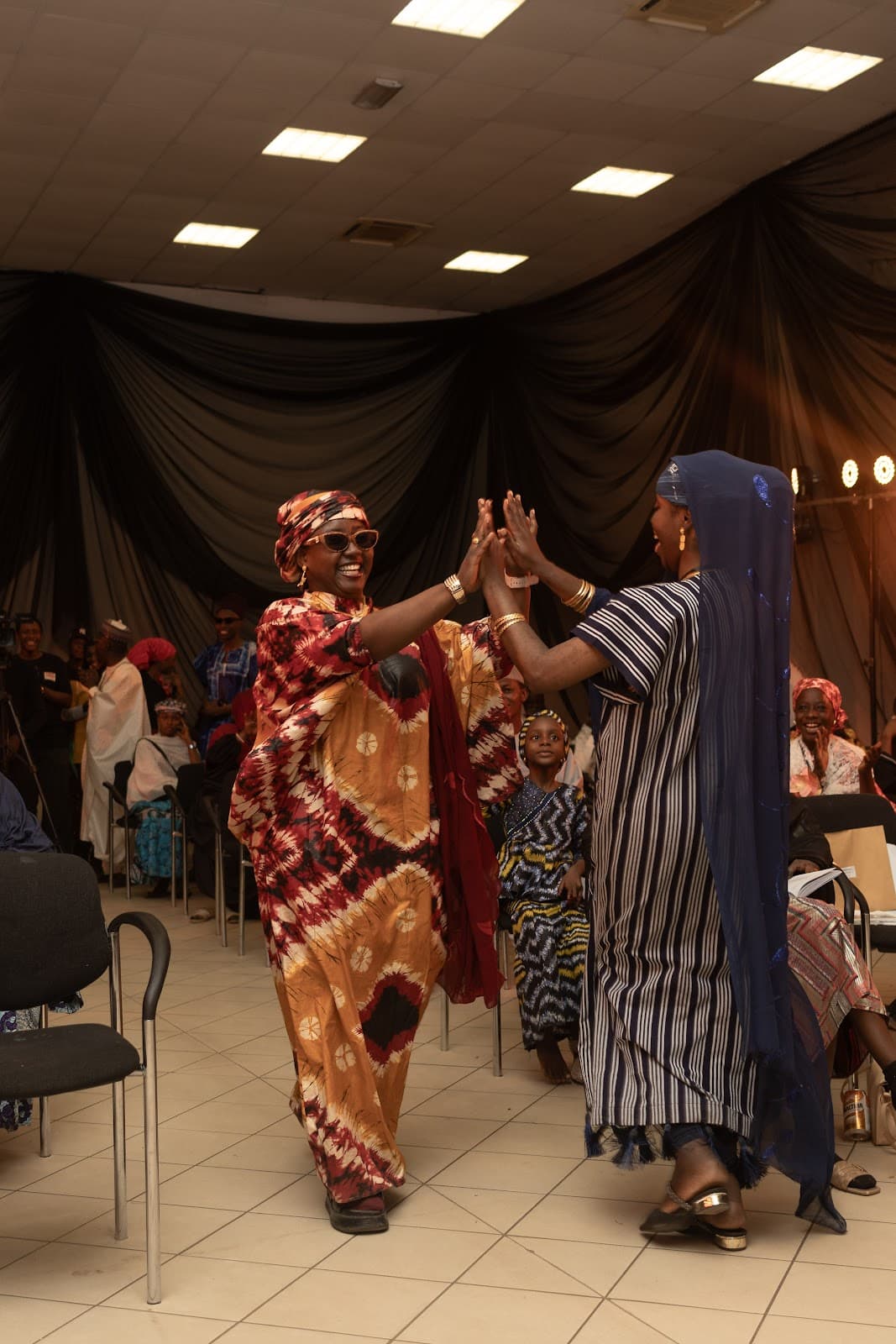
Lights, camera, action… #HIBAF24 unfolded with an opening speech from our curator, lifetime achievement award to Ali Nuhu for his astounding contribution to Hausa Popular Culture, poetry performances, key note speeches from our partners and #yungkannywood night showcased a fashion show of hausa popular cultural moments from kannywod movies. The next day was super packed with panel discussions, film screenings, book chats and poetry and music night.
Post-Festival: What the Festival Taught Us
While the festival was thoughtfully planned, it wasn't without its challenges. A lot went wrong along the way, but every obstacle taught us valuable lessons that shaped the experience.
One important lesson we learned was to use internal talent whenever possible. This saved costs and ensured we worked with people familiar with Open Arts processes and culture. Team members stepped up as MCs, Content creators, photographers.
Our attention to inclusivity also extended to timing and scheduling. From the smallest details to the broader agenda, the goal was to create an environment where every participant felt seen, valued, and included. Also, noteworthy mention, you have to always take into account the extra cost of compensating the support staff of the venue, such as security, cleaners, who to put on the generator and more.
Shareable Takeaway
Clear communication, flexibility, and staying calm under pressure are key to managing unexpected challenges at large events.
Building towards the next HIBAF
Planning a festival takes thoughtful preparation, creativity, and a commitment to the people it's meant to serve.
When we first started planning our festival, we realized there weren't many guides or resources to help us figure out how to approach it. So, we decided to document our own process sharing the wins, challenges, and lessons learned along the way in the hopes that someone out there finds it useful.
With HIBAF 2025 days away, our goal is to build on what worked well last year while learning from the challenges we faced, refining our processes to create even better experiences for future editions of the festival.
Ultimately, the success of a festival isn't just about the turnout or logistics; it's about creating an environment where people feel connected, valued, and re-inspired by art.
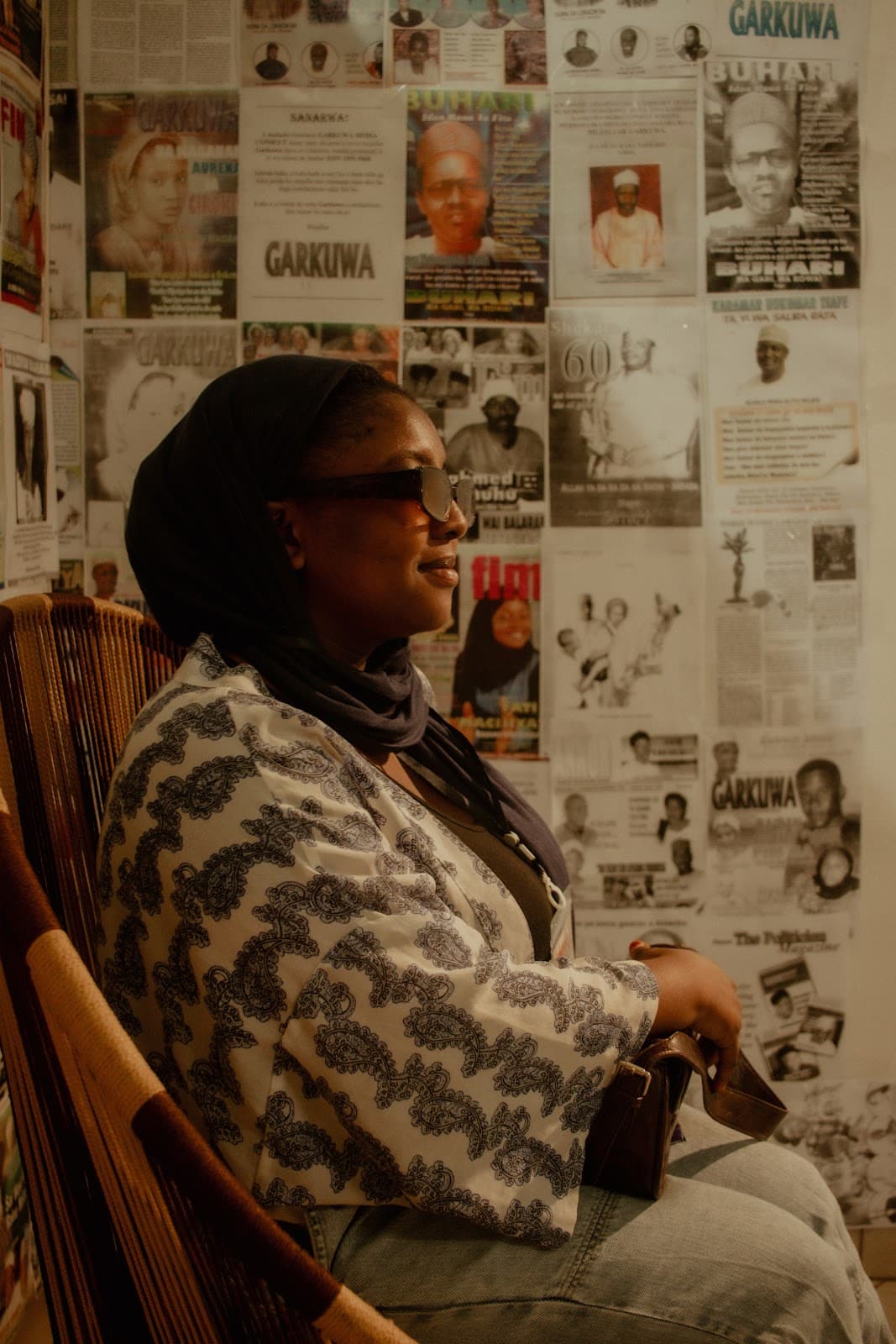
See you all at #HIBAF25, 19th and 20th December, 2025 Arewa House, Kaduna!